Antibiotics, resistance and MRSA, oh my!

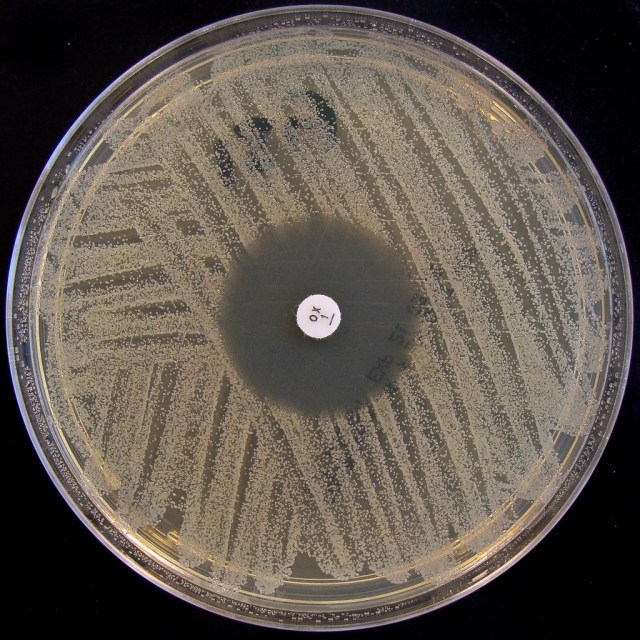
The overuse of antibiotics, both in humans and other animals, has applied a selective pressure driving the development of bacterial drug resistance. But few people realise that bacteria in the environment naturally express an impressive cocktail of drug resistance genes, and are thus inherently (and ordinarily), ‘multi-drug resistant’. These antibiotic resistance genes are key to allowing bacteria to survive in the small bioactive molecule soup which they inhabit; these molecules, including antibiotics, are produced from either the bacterium itself, or its neighbours.

One such bacteria that has been seared into the collective public conscience is methicillin-resistant Staphylococcus aureus (MRSA), a gram-positive bacteria that is resistant to beta-lactam antibiotics, such as the penicillins. While many people are naturally colonised with S. aureus, where it resides on the skin in a usually benign and harmonious relationship, a pathogenic infection can occur after a peturbation in the environmental balance. Such an infection is very difficult to resolve, resulting in a serious need for new therapies aimed at treating bacterial disease. While the development of novel antibiotics was once the subject of well-funded pharmaceutical research, this has now dwindled since the rapid bacterial reaction (i.e. the gain of resistance) prevents costs of development and manufacture being recouped. Research is now being more rationally focussed on prevention rather than treatment. Vaccines against MRSA are currently under development, and you can read more about them here.
Posted in Microorganisms, Science, Vaccines | Tagged , , , , , , , | 2 Comments

Sanofi-Pasteur’s dengue vaccine shows promise, and an almost unhealthy dash of intrigue

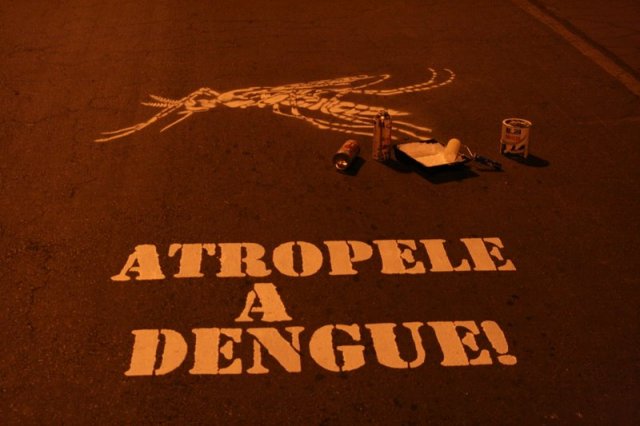
Dengue virus, which is carried by insect vectors such as mosquitoes, represents a severe public health threat in an expanding number of countries, including South America, South-East Asia, Mexico and Africa. While the majority of individuals exposed to dengue virus recover unaided from often asymptomatic infections, a small number progress to very severe clinical manifestations, characterised by leaky vasculature and haemorrhage. Therefore, much effort is focussed on developing an effective vaccine for this infectious disease.

Dengue virus exists in four different serotypes (DENV-1, -2, -3 and -4), all within the flavivirus genus. If you become infected with one, you subsequently develop lifelong sterilising immune protection against that particular serotype. However, this protection does not extend to the other three dengue serotypes to which you were not exposed. In fact, infection with one dengue serotype followed by exposure to another manifests the most serious form of disease, dengue haemorrhagic fever. This implies that immune interplay and cross-reactivity between serotypes does not result in a healthy outcome, and that the goal of achieving a single effective dengue vaccine has some very elaborate immune intricacies to consider.

This complex immune dynamic appears to be one of the central difficulties recently encountered by the Sanofi-Pasteur dengue vaccine currently in phase IIb clinical trials in Thailand. The CYD-TDV vaccine (a recombinant live attenuated vaccine), administered as three doses over a 12 month period, develops balanced antibody responses against each of the four dengue virus serotypes, and protects on average 30% of patients. Intriguingly, if vaccine efficacy is analysed on the basis of dengue serotype, protection against DENV-1, -3 and -4 is very good (on average ~70%), but is incredibly poor (9.2%) against DENV-2, the serotype that most of the Thai children enrolled in this study were exposed to. This confounding evidence (poor vaccine efficacy in DENV-2-infected subjects despite the development of robust neutralising antibodies against DENV-2) could be explained through antigen mismatch, if the sequence of the DENV-2 antigen included in the CYD-TDV vaccine differed significantly from the strain of DENV-2 circulating in the geographical region of the trial. Alternatively, antibodies against dengue virus non-structural proteins (which are not included in the CYD-TDV vaccine) may have a hitherto unappreciated function in the development of robust, protective immunity.

You can read the original research article in full here.

Sabchareon A, Sirivichayakul C, Limkittikul K, Chanthavanich P, Suvannadabba S, Jiwariyavej V, Dulyachai W, Pengsaa K, Margolis HS, & Letson GW (2012). Dengue infection in children in Ratchaburi, Thailand: a cohort study. I. Epidemiology of symptomatic acute dengue infection in children, 2006-2009. PLoS neglected tropical diseases, 6 (7) PMID: 22860141

Posted in Science, Vaccines | Tagged , , , , , , , , | Leave a comment

Sticky Seafood: The Goose Barnacle Edition

Many different sea creatures, particularly those of the seashore shelled variety, have the ability to permanently stick themselves to various structures in order to achieve a stable method of living and feeding. This also helps to prevent the less desirable events of being washed out to sea or dashed on rocks.

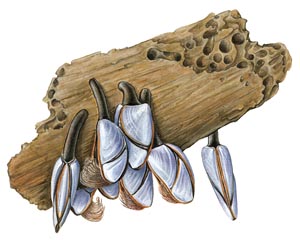
The goose barnacle, Lepas anatifera, appears to have evolved a unique system for producing sticky adhesive, which at the molecular and structural level is quite different from other marine organisms, such as the mussel or the tubeworm. In the goose barnacle, just a single large cell in the peduncle (the foot that grabs onto the rock) produces the different components of the glue, which is made up of more than 10 different proteins. These are stored in specialised secretory pockets that open onto a large canal, down which the glue travels when it needs to be exuded. When the glue reaches the point where the canal opens onto the outside world, the glue polymerises and hardens; this process can proceed in the open air and under salt water. Currently, questions still remain about how the glue is maintained in a liquid state within the canal (rather than prematurely hardening, which would lead to a fairly unpleasant death), and how the glue, once deployed, undergoes the hardening process.

This work will undoubtedly have important and exciting future implications in the development of new medical adhesives for use in ‘wet’ environments.

Read the original research article here.

Jonker JL, von Byern J, Flammang P, Klepal W, & Power AM (2012). Unusual adhesive production system in the barnacle Lepas anatifera: An ultrastructural and histochemical investigation. Journal of morphology, 273 (12), 1377-91 PMID: 22911953

Posted in Marine, Science | Tagged , , , , , , | 2 Comments

Vaccination, an ingenious solution to drug addiction

For many drug users wanting to break the cycle of dependency, the simplistic, ‘mind-over-matter’ approach doesn’t really take into account the absolute power of addiction, be it to nicotine, cocaine, cannabis, caffeine or heroin. Pharmacological treatments, such as the opioid drug methadone prescribed in the treatment of heroin addiction, are often accompanied by the less-than-useful property of being themselves inherently addictive.

A novel solution is to develop vaccines to immunise people against habit-forming drugs. The word, ‘vaccine’ typically conjures up the thought of public health threats from infectious diseases, such as diphtheria, measles, whooping cough and malaria. But in this scenario, instead of driving an immune response against an invading pathogen, it is instead directed against the drug. When a vaccinated person is exposed to the drug, the immune response effectively scavenges it out of the system, preventing access to the brain, and thus preventing any biological high. This treatment strategy has the potential to represent a long-term solution to drug addiction.

For more information about drug dependency, go here.

Posted in Science, Vaccines | Tagged , , , | 1 Comment

A pathogenic pathway, from cigarette smoke to biofilms

Yet more new evidence has been released underlining just what a bad idea smoking is for your health. Cigarette smoke contains not only the highly addictive psychoactive drug nicotine, but also at least 69 carcinogens, and is already known to be a direct cause of a plethora of nasty conditions, including lung, oral, bladder and pancreatic cancers, chronic obstructive pulmonary disease (which includes emphysema and bronchitis), male impotence, heart attacks and strokes. It also increases your chances of catching a variety of infections, especially those that target the upper respiratory tract.

A team of researchers at Columbia University in New York have now shown that exposure to cigarette smoke increases the amount of biofilm produced by Staphylococcus aureus, a bacterium that often resides in the human nasal cavity. Biofilms exist all over the natural world (e.g. dental plaque), and form when microbes aggregate and encase themselves in a sticky protein/lipid/sugar matrix. Increased formation of these sticky biofilms in the nasal passage could be exploited by pathogens, allowing them to get an easy foothold on host cells, subsequently invade them, and cause disease. This research implies that the friendly, helpful microorganisms that naturally reside within us are heavily influenced and changed by our lifestyle choices.

Read the original article here.

Posted in Science | Tagged , , , , , | Leave a comment