
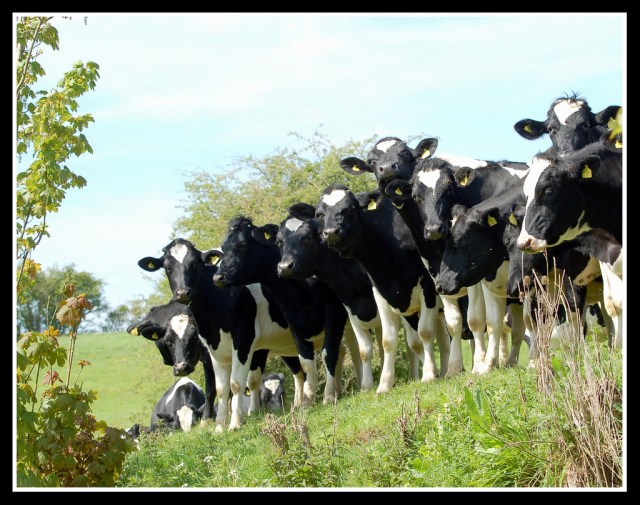
Bovine tuberculosis (bTB) is a serious disease that threatens the health of livestock, wildlife, and the agricultural economy, particularly in the United Kingdom. Although every cow in the UK is subjected to a yearly bTB test, with those testing positive being slaughtered, efficient disease containment and control has not yet been achieved. This suggests that there is a source of the bacterial pathogen, Mycobacterium bovis (M. bovis), which causes bTb, that is being maintained somewhere outside of the cattle population, allowing the bTB epidemic to be sustained. M. bovis is related to Mycobacterium tuberculosis, which causes human tuberculosis, and can be transmitted between cows and humans, often through drinking unpasteurised milk. Controlling and eradicating bTB is therefore an important public health and economic issue.
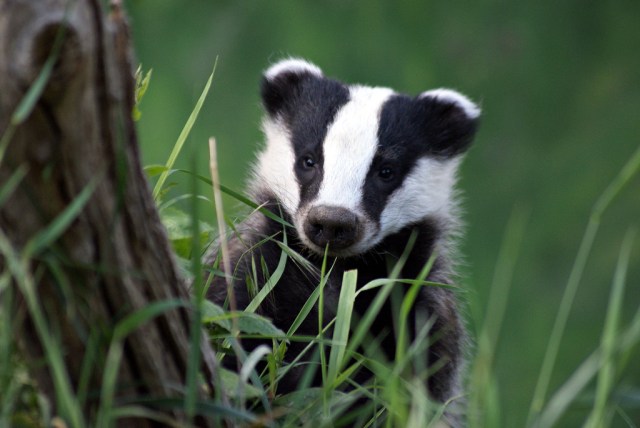
Historically, the badger (Meles meles) has been implicated as a wild reservoir for M. bovis. This has mostly been based on circumstantial evidence: for example, large badger populations have been noted in areas where bovine tuberculosis outbreaks frequently occur. Ultimately, the role of badgers in transmitting bTB has not been well defined and remains tremendously controversial. Badger infection control strategies have nevertheless been implemented, ranging from vaccination to licensed culls.
Now, recently published research shows very clearly that exactly the same strains of M. bovis bacteria can be found in infected badgers and infected cattle living in the same place at the same time. This was based on a forensic genetic analysis, known as whole genome sequencing, carried out on the DNA of M. bovis bacteria isolated over a period of 10 years from both badgers and cows living in a test area of neighbouring farms in Northern Ireland where outbreaks of bTB were common. This means one of two things: either the bacterium had been directly transmitted between badgers and cows, or both animals had stumbled upon and been exposed to the same infectious source somewhere in their habitat (M. bovis can survive for months in the soil).
By modelling the transmission of the 31 identified strains of M. bovis, it was apparent that different patterns of bacterial circulation could drive bTB outbreaks: transmission in some herds was sustained through cow-to-cow infections, while in other herds, transmission was heavily influenced by new interactions with a local reservoir of unknown origin. Thus, local rather than distant interactions were the principal drivers of M. bovis infection outbreaks, with very little transmission being attributed to the movement of livestock between farms or hidden low levels of infection being missed by the annual bTB test.
This is the first direct evidence that badgers infected with M. bovis show a genetic interaction with persistently infected herds of cows, suggesting the potential for direct transmission of bTB between these two species.
Biek R, O'Hare A, Wright D, Mallon T, McCormick C, Orton RJ, McDowell S, Trewby H, Skuce RA, & Kao RR (2012). Whole Genome Sequencing Reveals Local Transmission Patterns of Mycobacterium bovis in Sympatric Cattle and Badger Populations. PLoS pathogens, 8 (11) PMID: 23209404







 mmmbitesizescience